In a bustling hospital corridor, nurses and doctors rushed past in a flurry of white coats. Amidst the controlled chaos, a solitary figure stood by a computer monitor, her brows furrowed in concentration. She was neither a doctor nor a nurse, but her role was pivotal. Emily was the Health Information Manager, the guardian of sensitive records. She watched over patient data privacy regulations, ensuring the intricate tapestries of personal information woven through digital pathways remained securely threaded and untangled.
Understanding Patient Data Privacy Regulations
The labyrinth of patient data privacy regulations can seem intimidating at first glance. As Emily stared at the computer screen, the nuances of safeguarding Personal Health Information (PHI) unraveled before her. Each record held a story, a whispered testament to someone’s medical journey, and it was her duty to guard them like a trusted confidant. Such regulations aren’t just legal requirements—they represent a sacred trust.
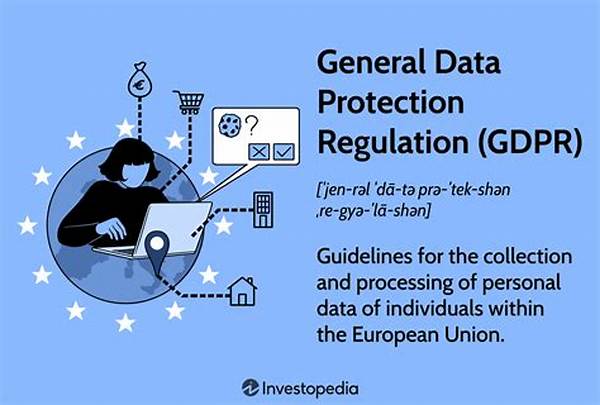
In a world increasingly reliant on digital solutions, patient data privacy regulations have become the anchor ensuring patient rights are respected. The complexity of these regulations, although daunting, serves as the backbone of modern healthcare infrastructure. From HIPAA in the United States to GDPR in Europe, these laws are geared towards securing the integrity and confidentiality of personal health data, allowing patients to seek medical assistance without fear of information misappropriation.
Through her vigilance, Emily embodies the spirit of these regulations, ensuring every medical professional is equipped to protect information as one would a dear friend’s secret. For her, it isn’t just about compliance, but an ethical commitment to uphold the dignity of every patient whose details she protects.
The Importance of Compliance
1. Patient data privacy regulations ensure the safekeeping of sensitive health information in an evolving digital world.
2. They instill patient trust by affirming confidentiality and security in healthcare environments.
3. Compliance with these regulations protects healthcare institutions from potential legal actions and reputational risks.
4. They foster an ethical culture within healthcare, emphasizing respect for personal data.
5. Patient data privacy regulations are vital in maintaining pristine healthcare records, thus enhancing overall patient care quality.
Challenges in Implementing Regulations
Navigating through patient data privacy regulations is akin to walking through a dense forest. Each step must be carefully considered to avoid getting lost. Emily knew this all too well, for alongside her computer, she kept a guidebook of those regulations, always ready to dive into its pages. Hospitals and clinics face numerous challenges, from evolving cyber threats to adapting existing systems to meet regulatory requirements.
Regulatory compliance demands continuous vigilance and adaptation, much like soldiers need to adapt on a battlefield. Emily worked closely with IT specialists, identifying potential vulnerabilities within the hospital’s data systems. Patient data privacy regulations involve more than just encryption and passwords; they require a holistic approach, ensuring every point of contact with patient data is secure. Staff training, continuous audits, and robust reporting mechanisms are all part of this intricate jigsaw of data privacy.
Despite the complexity involved, the resolve to conquer these challenges fuels healthcare professionals worldwide. It serves as a testament to their unwavering dedication to patient welfare, a glowing reminder that patient trust is the cornerstone upon which the edifice of healthcare is built.
Real-World Application
Inside the hospital’s data center, the real-world implications of patient data privacy regulations come to life. Each byte of data transmitted securely is a small victory for Emily’s team. Their commitment extends beyond mere adherence; it’s an inherent part of the hospital’s ethos. Here are ten brief examples of application:
1. Encrypting patient records during transmission and storage.
2. Regularly updating software and systems to safeguard against breaches.
3. Conducting periodic training sessions for hospital staff about privacy best practices.
4. Implementing strict access control measures to limit data exposure.
5. Utilizing two-factor authentication for system log-ins.
6. Establishing robust incident response protocols in the event of data breaches.
7. Monitoring data access logs for unauthorized activity.
8. Engaging in routine security audits to identify potential vulnerabilities.
9. Ensuring all third-party collaborations comply with privacy standards.
10. Integrating patient consent management into data handling practices.
Impact on Patient Trust
In the heart of patient care lies trust, an indispensable element fortified by stringent patient data privacy regulations. Emily, surrounded by medical personnel who relied on her guidance, understood the critical relationship between trust and compliance. Her efforts ensured patients felt secure, knowing their secrets were as safe as cherished memories locked within the heart.
Patient trust is a fragile construct. It’s built painstakingly through consistent assurance that personal medical histories won’t be exposed or mishandled. With the ever-present threat of data breaches looming, it’s crucial that healthcare institutions uphold the sanctity of patient data privacy regulations. Emily’s role extends beyond mere legality—she becomes the embodiment of integrity that patients can rely on.
As layers of protection envelop patient information, individuals walk into healthcare facilities with less apprehension. They are reassured that in moments of vulnerability, their conditions, treatments, and discussions remain confidential. In a world fraught with privacy concerns, Emily’s unwavering commitment to adhering to patient data privacy regulations fosters an atmosphere where trust breeds healing.
The Journey Ahead
The path of patient data privacy regulations is ever-evolving, much like a river that carves new paths over time. For Emily, the landscape of healthcare confidentiality is rife with challenges. She knows that with each innovation in medical technology comes a new frontier of privacy to be guarded. Her commitment transcends the boundaries of the present, steadfastly looking toward the future.
As Emily continues her journey, she navigates through legal updates and technological shifts, always with the same unwavering focus. She is part of a larger collective of healthcare professionals, technologists, and policymakers who strive together to uphold the integrity of patient data privacy regulations. For them, these regulations symbolize not just a mandate but a promise to protect human dignity.
Within a world teetering on the edge of digital advancement, Emily represents the sentinel that stands watch over the burgeoning flow of patient data. Her story reflects a broader narrative of commitment to safeguarding the delicate threads of trust and confidentiality that bind patients to their caregivers. As technology continues to evolve, the need for vigilantly upheld patient data privacy regulations remains paramount. With each passing day, the road remains illumined by the steadfast resolve of individuals like Emily, who dedicate their lives to ensuring those vital protections are preserved for generations to come.
Conclusion
Patient data privacy regulations represent a silent yet powerful promise to each individual who entrusts their most sensitive information to healthcare systems. Emily’s journey highlights the immense importance of these regulations, reminding us that behind every compliant system is a person—a guardian of digital secrets. By ensuring that patient data privacy regulations are meticulously followed, healthcare professionals like her safeguard the trust placed in them and engender a climate of confidence and respect in the medical community.
While implementing patient data privacy regulations is fraught with its challenges, it is an effort that pays dividends in enhanced patient trust and institutional integrity. As Emily demonstrates through her unwavering dedication, the path may be complex, but it is not insurmountable. The journey toward safeguarding patient privacy continues with each step taken with care, ensuring that the sanctity of personal health information remains untarnished.