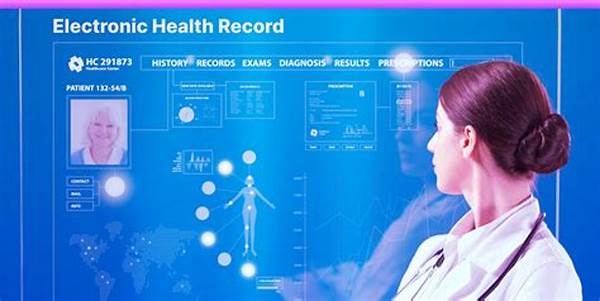
In the bustling realm of healthcare, technology has become a cornerstone of modern practice, with Electronic Health Records (EHR) being at the forefront. For many healthcare providers, navigating the EHR system efficiently can feel like embarking on a journey through uncharted waters. It’s a narrative filled with the promise of streamlined patient care, increased efficiency, and the occasional challenge. Today, we delve into this story, where the quest for mastery is as rewarding as the healthcare breakthroughs it supports.
The Quest for Mastery in EHR Navigation
Navigating the EHR system efficiently is akin to mastering a complex musical instrument. It requires skill, patience, and a keen understanding of its intricacies. Imagine standing in a bustling hospital, where the hum of medical machinery and the murmurs of diligent staff create a symphony of healthcare delivery. Amidst this backdrop, the EHR stands as a digital conductor, orchestrating the flow of patient information and medical insights. The key to unlocking its full potential lies not just in understanding its functions but in harnessing its capabilities to enhance clinical workflows.
The journey begins with thorough training, where healthcare professionals embark on a path of discovery, navigating the EHR system efficiently as they learn its nuances and complexities. It’s a process of trial and error, with moments of frustration and triumph as they adapt to this digital landscape. With time, the system becomes an ally, transforming into an intuitive extension of their daily practice. Ultimately, mastering the art of EHR navigation is not just about efficiency; it’s about empowering clinicians to provide more informed, patient-centered care.
Strategies to Enhance EHR Navigation Skills
1. Comprehensive Training Programs: Initiate in-depth training sessions for staff, focusing on navigating the EHR system efficiently by covering essential features and functionalities. This foundational knowledge helps users feel confident in their interactions with the digital platform.
2. User-Friendly Interface Design: Ensure the EHR interface is intuitive and user-centric. A well-designed interface streamlines tasks, making the process of navigating the EHR system efficiently more accessible for healthcare providers.
3. Customizable Workflows: Implement customizable workflows within the EHR, allowing healthcare professionals to tailor the system to better suit individual needs. This flexibility significantly contributes to navigating the EHR system efficiently.
4. Regular Feedback and Updates: Establish a feedback loop with users to continually improve the EHR experience. Regular updates and improvements are vital for navigating the EHR system efficiently and keeping up with evolving healthcare requirements.
5. Support and Resources: Provide ongoing support and readily available resources, such as help desks and user manuals, to assist healthcare providers in navigating the EHR system efficiently when challenges arise.
The Journey of Continuous Learning
Navigating the EHR system efficiently is not a static achievement but a dynamic process that requires continuous learning and adaptation. The journey doesn’t end with initial training; it’s a story of lifelong learning where healthcare providers commit to staying abreast of system updates and new features. For many, this ongoing education becomes a part of their professional identity, echoing the ever-evolving nature of medical practice itself.
As they grow more adept at navigating the EHR system efficiently, healthcare providers become empowered storytellers of patient histories, weaving together data and insights to form a cohesive narrative of health and healing. The EHR becomes a partner in the journey, enabling more than just the efficient capture of data but also the formation of meaningful patient relationships. This relationship between provider and technology embodies the future of healthcare, where precision and empathy meet.
Tools and Tips for EHR Efficiency
1. Keyboard Shortcuts: Embrace keyboard shortcuts as a powerful tool for speeding up tasks and navigating the EHR system efficiently. They are small but mighty contributors to productivity.
2. Efficient Note Templates: Utilize pre-designed note templates tailored to common clinical scenarios. These templates help in documenting patient interactions swiftly, thereby navigating the EHR system efficiently.
3. Integration with Other Systems: Ensure seamless integration of the EHR with other healthcare systems and tools. This interconnectedness enhances the ability to navigate the EHR system efficiently by streamlining information flow.
4. Regular Practice: Encourage regular practice and exploration of EHR features to build proficiency. Frequent use and experimentation facilitate a deeper understanding of the system, leading to navigating the EHR system efficiently.
5. Time Management Techniques: Apply time management techniques to prioritize tasks within the EHR. This approach aids in navigating the EHR system efficiently by optimizing time spent on essential activities.
6. Peer Collaboration: Foster collaboration among peers to share tips and strategies for navigating the EHR system efficiently. Peer-to-peer learning can be invaluable for discovering new methods.
7. Stay Updated: Keep abreast of system updates and new functionalities. Staying informed empowers healthcare professionals to continue navigating the EHR system efficiently, even as it evolves.
8. Seek Expert Guidance: Utilize expertise from IT professionals or EHR specialists when faced with challenging scenarios. Expert guidance can provide insights into navigating the EHR system efficiently.
9. Feedback Utilization: Actively engage in providing and receiving feedback about the EHR. Constructive feedback loops contribute significantly to navigating the system more efficiently.
10. Patient Engagement: Engage patients in the EHR process by sharing relevant information during consultations. Patient engagement can support navigating the EHR system efficiently by fostering transparent communication.
Mastering the Digital Landscape
At the heart of every healthcare endeavor lies the patient, and navigating the EHR system efficiently transforms the digital landscape into a realm of enriched patient care. As healthcare providers journey through this digital terrain, they become masters of a new language, one that is as much about listening and learning from the data as it is about documenting and decision-making.
In the bustling corridors of clinics and hospitals, the EHR emerges as an invaluable tool that transcends beyond digital records. It becomes the compass guiding practitioners through the complexities of modern medicine. Navigating the EHR system efficiently is not merely a technical skill; it is the art of storytelling in a clinical context, where each piece of information is a narrative thread woven into the larger tapestry of patient welfare. The stories unfold with each keystroke, echoing the timeless dedication of those who heal.
The practice of medicine is, at its core, a conversation—a perpetual dialogue between healthcare provider and patient, technology and human touch. Navigating the EHR system efficiently ensures that technology enhances rather than hinders this conversation, making the path toward improved health outcomes a shared journey between all stakeholders involved.
Reflections on the EHR Journey
The journey of navigating the EHR system efficiently is steeped in reflection, a continuous cycle of improvement and adaptation. In every healthcare setting, this journey is unique, influenced by the specific needs and challenges faced by its professionals. The narrative unfurls with each patient seen and each story documented, revealing new pathways and insights as time unfolds.
As the healthcare landscape continues to evolve, so too does the relationship between provider and EHR. This relationship is characterized by collaboration and innovation. Navigating the EHR system efficiently is a testament to the resilience and adaptability of healthcare professionals who, amidst challenges, find ways to leverage technology to amplify their impact.
In the end, the ultimate goal of navigating the EHR system efficiently is to facilitate a healthcare environment where patient care is seamless, informed, and compassionate. This goal propels the journey forward, inspiring each healthcare professional to not only master the system but to enrich the lives of those they serve with knowledge and empathy.