The world of medicine has always been a tapestry woven with threads of stories—stories of breakthroughs, challenges, and the relentless pursuit of healing. Today, a new chapter is being penned, one that promises a future where treatments aren’t just universal prescriptions, but tailored narratives crafted for each individual’s unique genetic backdrop. This is the era of the integration of genomics and personalized medicine—a narrative that is reshaping healthcare as we know it.
The Dawn of a Personalized Era
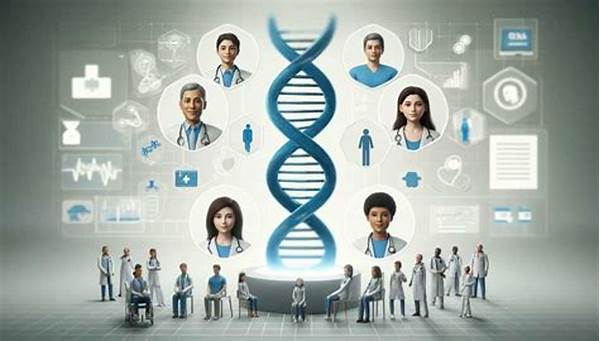
In a cozy lab illuminated by the warm glow of computer screens, researchers are decoding the very essence of what makes us human—our DNA. The integration of genomics and personalized medicine is not just a scientific endeavor but a profound human journey. Imagine a world where your healthcare is customized based on the unique story written in your genes. This isn’t a tale of distant futures; it’s happening right now, as scientists and doctors work hand-in-hand, transforming genetic data into actionable treatment plans.
Personalized medicine allows for treatments that consider the patient’s lifestyle, environment, and genetic disposition. In this evolving landscape, no two stories are alike. Where once a standard prescription was the norm, now, with the advent of genomic insights, doctors can provide solutions uniquely designed for each patient—enhancing efficacy and minimizing side effects. The integration of genomics and personalized medicine is essentially an art of crafting bespoke medical care.
A Revolutionary Approach to Treatment
The integration of genomics and personalized medicine has ushered in a novel approach to diagnoses and treatments. Here are five key aspects:
1. Precision Diagnostics: Genomic tools enable precise identification of diseases at their molecular roots, guiding more effective interventions.
2. Tailored Therapies: Treatments are no longer general; they are crafted to align with the individual’s genetic profile, ensuring better outcomes.
3. Proactive Health Management: Instead of reactive treatments, patients receive preemptive care based on genetic risk factors.
4. Empowered Patients: With detailed genomic information, patients are becoming active participants in their healthcare journeys.
5. Innovative Research: This integration fuels cutting-edge medical research, leading to novel discoveries and therapeutics.
Transforming Healthcare Landscapes
The corridors of hospitals resonate with a new rhythm as the integration of genomics and personalized medicine breathes life into modern clinical practices. Doctors now wield a toolset finely tuned to the subtleties of individual genetic makeups. Genomics is not merely about decoding DNA, but about interpreting the symphony of life encoded within. Every patient becomes the protagonist of their own health story, with healthcare professionals serving as guides in this genomic journey.
The integration transforms skeptical patients into believers, as they witness the power of personalized interventions. From the initial promise of genomics, tangible results are emerging—results that speak volumes of improved quality of life and greater treatment success rates. The personalized approach does more than just heal; it fosters trust and deepened doctor-patient relationships, as practitioners understand the intricacies of each patient’s unique story.
Fueling Future Innovations
The integration of genomics and personalized medicine paves the way for revolutionary healthcare advancements:
1. Improved Therapeutics: By understanding the genetic basis of diseases, new targeted drugs can be developed.
2. Chronic Disease Management: Genomics offers insights into the prevention and management of chronic illnesses.
3. Enhanced Data Utilization: Advanced analytics transform vast amounts of genetic data into useful clinical knowledge.
4. Collaborative Research: Multidisciplinary teams synergize to explore multifaceted medical questions.
5. Cultural Shift in Medicine: The approach shifts medical culture towards more preventative, patient-centric strategies.
6. Economic Benefits: Personalized treatments potentially reduce healthcare costs by minimizing ineffective treatments.
7. Ethical Considerations: It provokes discussions on genetic privacy and ethical issues surrounding DNA information.
8. Lifestyle Integration: Genomics-based insights influence lifestyle and health-related decisions for better outcomes.
9. Augmented Reality in Medicine: Cutting-edge technology enhances genomic data visualization for more intuitive analysis.
10. Global Healthcare Evolution: This integration is democratizing access to advanced medical care across the globe.
Personal Stories of Success
In a serene hospital room, a young girl once bound by the uncertainty of a rare genetic disorder now dances towards recovery. Her journey, marked by the integration of genomics and personalized medicine, has shifted from a path of trial and error to one of precision and hope. Her tale, echoed in countless others around the world, illustrates the profound impact of this medical evolution.
Patients who once faced daunting diagnoses now see light through therapies tailored specifically for them. This integration assures parents, providing them with real solutions instead of vague possibilities. It empowers individuals, allowing them to make informed choices about their healthcare, driven by a deep understanding of their genetic makeup. The personal transformations seen in these narratives reinforce the reality that this approach isn’t just about science—it’s about storytelling, where every patient is the hero of their health journey.
Broadening Horizons in Personalized Medicine
As this narrative unfolds, a curious shift emerges in the medical landscape—a shift defined by interconnected stories and shared knowledge. The integration of genomics and personalized medicine becomes a movement towards a future where medical care is not just reactive but anticipative. Healthcare ecosystems around the globe embrace this paradigm, aiming to render traditional one-size-fits-all models obsolete.
The task is not without its challenges. The complexity of genetic data, ethical considerations, and the need for infrastructure require commitment and collaboration from all corners of the medical community. Yet, the promise of personalized medicine transcends these barriers, holding the potential to revolutionize patient care. The integration of genomics and personalized medicine is not just a milestone in the annals of healthcare; it signifies the dawn of a new era—one where the healing power of stories truly manifests in the lives they touch.