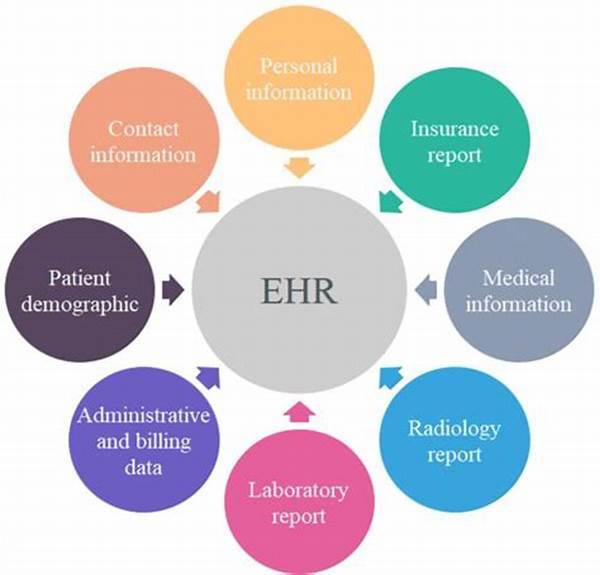
Once upon a time, in a bustling hospital brimming with the hum of activity, technology wove a tale of transformation. In an era where medical records sprawled across various locales, a quiet yet crucial evolution was underway. The digital horizon beckoned, offering a realm less encumbered by manila folders and hectic office cabinets. This was the dawn of integrating EHR systems effectively, a saga beginning with whispers of change and swelling into a crescendo that would redefine how information flowed, ensuring that every heartbeat, every diagnosis, and every treatment was etched into an electronic tapestry, ready to be accessed at a moment’s notice.
The Journey Toward Seamless Integration
The hospital’s corridors once echoed with the whirl of fax machines and the rustle of papers passing hand to hand. Doctors and nurses bore the weight of steely filing cabinets and were burdened by the hunt for elusive patient histories. Integrating EHR systems effectively was but a distant dream until the dawn of modern medical technology painted new possibilities.
The narrative of integration was woven from determination, curiosity, and an unwavering commitment to improving patient care. Teams of dedicated individuals — IT specialists, clinicians, and hospital administrators — embarked on a quest. With the agility of skilled artisans, they mapped out the digital landscape, carefully crafting a system that embraced interoperability. As if weaving a digital tapestry, they interconnected disparate threads of patient information, lab results, and treatment plans into a seamless narrative.
The transformation wasn’t instantaneous; rather, it unfolded like a well-told epic. There were moments of trial, of overcoming skepticism and technical snafus. Yet, these were overshadowed by the moments of triumph — when a single click brought forth comprehensive patient histories, and crucial information flowed effortlessly, from physician to physician, across the echelons of healthcare. Integrating EHR systems effectively became a testament to teamwork and innovation, a story of modern-day alchemy where technology and healthcare melded into an unparalleled force for good.
Strategies for Successful Integration
1. In the hushed hum of server rooms, IT experts diligently executed plans for integrating EHR systems effectively, blending old practices with novel solutions. With each new component, the digital backbone strengthened, promising more reliable and seamless interactions across departments.
2. Nurses and doctors, like skilled conductors, orchestrated the new symphony of patient information. By integrating EHR systems effectively into their routines, they transformed fragmented histories into harmonious, comprehensive records that bade farewell to the risk of error.
3. The hospital’s leadership foresaw integrating EHR systems effectively as pivotal in the quest for superior patient outcomes. Their steadfast resolve provided a guiding light, enabling the convergence of technology and caregiving into a unified standard of care.
4. Bridging the gap between data and delivery, integrating EHR systems effectively equipped medical professionals with the power to access critical information at any time. It was a masterstroke, ensuring that patients were not mere cases but stories etched vividly in the digital realm.
5. Just as an artist relies on a palette of colors to paint, integrating EHR systems effectively offered healthcare workers an array of tools to craft holistic patient narratives, enhancing treatment plans with the richness of detailed historical data.
Overcoming Challenges in Integration
In the labyrinthine journey of integrating EHR systems effectively, challenges abounded. Privacy concerns loomed like a specter over every line of code, demanding keen vigilance and robust safeguards. The specter of integration complexities shadowed the halls, whispering worries of incompatible systems and migration hurdles.
Yet, amidst this turmoil, the hearts and minds dedicated themselves to the cause. IT wizards conjured magic through encryption and secure sharing protocols, weaving a cocoon of digital safety around patient records. They navigated the digital wilderness, ensuring that each system spoke the same language, bound by the common goal of patient welfare.
Education became the beacon of change. Staff members were not merely handed a new system but welcomed into a narrative of progress and empowerment. Training sessions unfolded like chapters in a novel, demystifying the screens and symbols with tales of efficiency and time saved. Importantly, they learned that this journey was not a solitary quest but a collaborative odyssey where each click and query added to a larger story — a tale of integrating EHR systems effectively.
Case Studies Demonstrating Effective Integration
In the heart of a sprawling city, General Hospital embarked on its transformation tale. Integrating EHR systems effectively was not just a technical choice but a narrative of hope and healing. This seamless integration revolutionized patient engagement.
Simultaneously, Valley Medical Center charted its milestone. Struggles turned to success stories as doctors’ rounds became symphonies of systematic care. Integrating EHR systems effectively evolved from dream to reality, a testament to collaborative vision.
Elsewhere, Oakwood Clinic realized the potential of integration to foster preventive care pathways. Technology became the cornerstone, enhancing early diagnosis and proactive treatment. Integrating EHR systems effectively mirrored the clinic’s foundation of quality care.
By contrast, Riverside Healthcare’s integration journey unraveled lessons in patient satisfaction. The time between consultations and procedures shrank dramatically. Enhancing workflows, integrating EHR systems effectively became synonymous with patient-centered strategies.
Finally, in Community Clinic, integrating EHR systems effectively unfolded like a grassroots movement. From the chaos of paper trails emerged a streamlined ecosystem, celebrating accuracy and accessibility. Here, technology honored the tradition of human-centered care.
Lessons Learned from Successful Integration
Integrating EHR systems effectively requires more than technology; it demands culture shifts. This exploration navigated the fusion of innovation with empathy, redefining relationships among healthcare teams. It tethered data reliability with compassionate decision-making.
Long-gone are days of burdensome records and fragmented communication. Integrating EHR systems effectively catalyzed seamless access, fueling coordinated care. Uniformity emerged through diligence, erasing previous fragmented chaos.
Disruption gave way to adaptability. Amid changing landscapes, the commitment to integrating EHR systems effectively shaped improved workflows. The narrative of overcoming hurdles shines, illuminating paths to enhanced service delivery.
Trust emerged as the cornerstone of this journey. Patients became more than recipients; they became partners in health. Integrating EHR systems effectively championed transparent communication, nurturing dignity and respect.
Innovation breathed vitality into the healthcare model. Integrating EHR systems effectively enabled precision medicine and preventive care, inviting progress that mirrored the dreams of yore. The narrative continues, forever evolving with the dawn of possibility.
The Future of Integrating EHR Systems Effectively
The story of integrating EHR systems effectively does not end with mere implementation. It unfurls a realm of endless possibilities. As technology advances, artificial intelligence promises to be its ally, scanning records for patterns unseen by human eyes, proposing insights once unfathomable.
While the digital infrastructure strengthens, patient interaction undergoes newfound intimacy. Telemedicine emerges not as a replacement but a bridge, propelled by EHR integration, enhancing connectivity and care continuity. Patients engage in a narrative where their voices are heard, their histories respected, their futures considered.
Collaboration remains the heart of this tale. Healthcare professionals worldwide, armed with shared insights and data access, convene like storytellers weaving the tapestry of global health. Integrating EHR systems effectively shapes a new chapter where innovation fuels potential. The future promises yet untold tales where technology and compassion merge seamlessly, unlocking pathways to wellness once confined to the domain of dreams.
Summary of Achievements and Future Directions
The narrative of integrating EHR systems effectively unfolds not as a simple tale of technical mastery but as a chorus of commitment and ingenuity. It’s where healthcare professionals, fueled by a collective vision, sought to weave technology into their practice. They transformed routine, drawing vivid connections from scattered pieces into stunning wholes.
Integrating EHR systems effectively offered a tapestry of streamlined workflows and digital narratives. These achievements, grounded in collaboration, were celebrated moments of triumph over fragmentation. The story resonates, its echoes heard vividly across bustling clinics and quiet hospital rooms as patients feel the echo of change.
The future beckons with potential and unexplored paths. As technology evolves, AI’s emergence promises new vistas, while telemedicine bridges physical distances, augmenting care with real-time insight. As the narrative of integrating EHR systems effectively continues, it welcomes countless contributions from visionaries who dare to dream and pioneers who choose to explore wildly, stitching the future of healthcare into a tale of infinite possibility.