
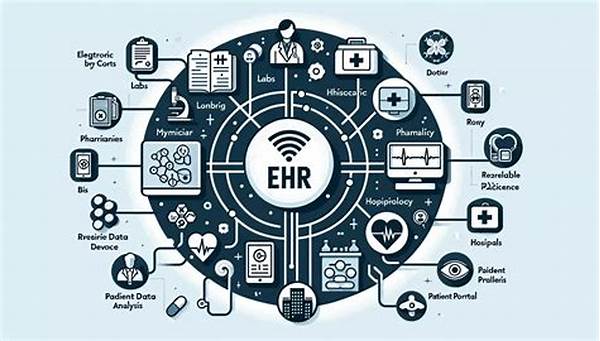
Once upon a time, in the bustling halls of hospitals and clinics, patient files were piled high. Each folder told the story of an individual, yet these stories were often scattered, incomplete, and sometimes lost in the shuffle of paper. Then, the age of Electronic Health Records (EHRs) dawned—a digital revolution that promised to transform patient care as we knew it. This brave new world introduced a way to weave these patient stories together seamlessly, aiming to ensure that every chapter of a patient’s health journey was perfectly chronicled and readily accessible. But how does the impact of EHR on patient care unfold in real-life scenarios?
Revolutionizing Patient Histories
In rooms once dominated by paper, the advent of EHR systems created a lighthouse guiding healthcare providers through the stormy seas of information overload. Doctors and nurses, once burdened with deciphering handwritten notes, now have at their fingertips a comprehensive view of their patients’ medical histories. This transformation—enabled by the impact of EHR on patient care—equips them with invaluable insights, ensuring each individual receives the tailored attention they deserve. A coherent timeline of diagnostics, treatments, allergies, and medication is just a click away, empowering medical professionals to make informed decisions confidently. The narrative of patient care is now a continuous, clear, and coordinated endeavor, orchestrated by the seamless integration of EHR technology.
Enhancing Communication and Collaboration
1. The impact of EHR on patient care shines brightly in the realm of communication, facilitating fluid exchanges of information among healthcare teams.
2. Through EHR systems, specialists from different fields collaborate effortlessly, ensuring patients receive holistic and multifaceted care.
3. With EHRs, the curtain rises on the era of truly integrated healthcare, uniting all players in a synchronized symphony of patient-centered care.
4. EHRs dismantle barriers between practitioners and patients, enabling dialogue enriched with precise data and shared understanding.
5. The impact of EHR on patient care transforms the narrative from fragmented care to a unified story, where every voice is heard and respected.
Aiding in Preventive Care
The impact of EHR on patient care isn’t just about managing existing conditions; it’s about heralding a new age of preventive strategies. With an all-encompassing view of patient health data, healthcare providers can anticipate potential issues before they become acute. EHRs serve as both storyteller and oracle, narrating past medical events while forecasting possible future health challenges. This dual role enhances a proactive stance in patient care, allowing for interventions that can prevent chronic conditions from developing. In this unfolding narrative, the impact of EHR on patient care is a beacon guiding more than just effective treatment; it’s about fostering a healthier future for all.
Transformative Power and Challenges
1. The impact of EHR on patient care lies in its transformative power—reshaping the landscape of healthcare delivery.
2. Yet, this transformation is not without challenges; the initial learning curve can be steep for some clinicians.
3. The narrative of transition involves addressing privacy concerns—ensuring data security is paramount.
4. Implementing EHR systems requires investment, not just in terms of finances but in cultivating a culture of adaptability.
5. Resistance to change can often hinder progress, turning the journey of EHR integration into a rollercoaster.
6. Some professionals fear the loss of personalization, as screens sometimes seem to overshadow human interaction.
7. Despite hurdles, the potential of EHRs in minimizing errors paints a promising picture of improved patient outcomes.
8. They revolutionize billing and administrative processes, creating more time for patient care itself.
9. As EHR adoption increases, so too does the opportunity for refining their effectiveness and user-friendliness.
10. Ultimately, the narrative insists on collaboration—between technology and caregivers—to fully realize the impact of EHR on patient care.
Expanding Access and Equity
The impact of EHR on patient care is also seen by expanding access and equity in healthcare. EHR systems bring many opportunities to underserved communities where medical records were sparse or nonexistent. At long last, the digital age meaningfully connects all patients to their healthcare narratives, bridging the gaps caused by geography and socioeconomic status. EHRs democratize access to information, ensuring that quality care is not a privilege granted to some but a right available to all. They facilitate telehealth innovations, making healthcare more convenient and accessible. Through this digital bridge, the doors to improved health outcomes swing wide open, welcoming an era where patient care is equitable and universally available.
Continuity of Care
The essence of the impact of EHR on patient care can be traced back to the idea of continuity—a seamless and uninterrupted flow of healthcare. EHR systems ensure that whether a patient visits a local clinic or a specialized facility halfway across the country, their complete medical story travels with them. This portability of information safeguards against errors, reducing redundant tests and streamlining treatment plans. The narrative of a patient’s health becomes a continuous thread, interwoven with every interaction within the healthcare system. With EHRs, the lines of communication and continuity remain unbroken, ensuring that patient care is not just a series of disconnected events but a cohesive journey.
Conclusion
In the great tapestry of healthcare, the impact of EHR on patient care is a vibrant thread, one that holds the promise of transformation and innovation. EHRs weave together the stories of countless individuals, crafting a narrative rich with continuity, accuracy, and empathy. They symbolize a shift toward a digitally-augmented healthcare system, enhancing patient experiences and outcomes. Challenges will inevitably arise as this journey continues, yet the vision of a more efficient, equitable, and effective healthcare system drives progress. Through the lens of EHR, patient care is reimagined, ushering in a future where every patient’s story is told with precision, compassion, and respect.