In a world where sustainability has become the clarion call of the century, the role of genetically engineered organisms has taken center stage. Imagine standing in a field where crops resist pests without the need for harmful pesticides, or a forest where trees grow faster, absorbing more carbon dioxide from the atmosphere. This is the emerging reality, powered by the ingenuity of science and the commitment to a sustainable future.
The Promise of Genetically Modified Agriculture
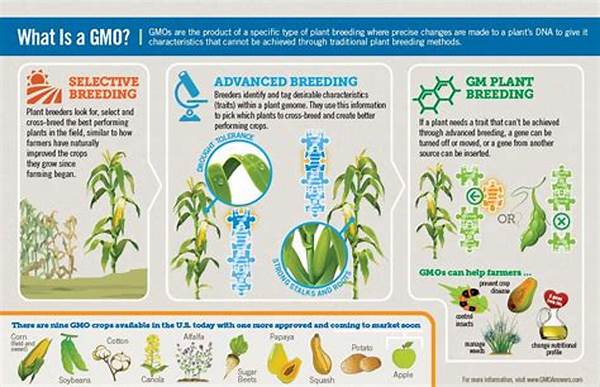
The potential of genetically engineered organisms for sustainability has captured the imagination and efforts of scientists globally. In the realm of agriculture, these organisms promise to revolutionize the way food is produced. By altering the genetic makeup of crops, scientists can enhance their resistance to diseases and harsh environmental conditions. These transformations not only ensure a more stable food supply but also reduce the reliance on chemical fertilizers and pesticides. This shift to a more natural form of cultivation aligns perfectly with sustainable agriculture’s core principles. As we stand on the brink of this agricultural revolution, the promise of greener and more resilient farming becomes not just a possibility, but a tangible reality.
Rethinking Environmental Impacts
1. Genetically engineered organisms for sustainability can help mitigate adverse environmental effects by enhancing the natural resilience of ecosystems.
2. These organisms reduce the need for chemical inputs, cultivating a more harmonious relationship with nature.
3. By increasing crop yields, they also support the conservation of natural habitats, requiring less land for agriculture.
4. Additionally, bioengineered plants play a vital role in carbon sequestration, addressing climate change challenges head-on.
5. Finally, the intentional design of these organisms aids in restoring ecological balances, fostering a future where human prosperity and environmental health coexist.
Innovations in Waste Management
In the bustling cities and towns across the globe, the call for sustainable waste management is louder than ever. Genetically engineered organisms for sustainability are now paving new avenues for addressing this issue. Envision microbes specifically designed to breakdown plastic, leaving behind no toxic remnants. These microorganisms hold the promise of transforming the face of waste management. By accelerating decomposition processes, they reduce the volume of waste that ends up in landfills. Furthermore, the innovation extends to waste-to-energy solutions, where bioengineered bacteria convert waste materials into biofuels, providing not only a solution to waste disposal but also a renewable energy source.
Transformations in Energy Production
1. Genetically engineered organisms for sustainability are leading us ardently towards greener energy production.
2. Biofuels derived from genetically modified algae offer a sustainable alternative to fossil fuels.
3. These biofuels not only reduce greenhouse gas emissions but also utilize less land and water resources.
4. Engineered microbes are harnessed to produce hydrogen, a clean energy source with immense potential.
5. Genetic modifications enhance these organisms’ efficiency, significantly reducing the cost of production.
6. This innovation supports the diversification of energy sources, crucial for energy security.
7. The integration of biotechnology into energy systems represents a step towards achieving a low-carbon economy.
8. These bio-innovations are pivotal in reducing the ecological footprint of energy sectors.
9. Through these breakthroughs, humanity inches closer to a vision where energy efficiency and environmental sustainability are interwoven seamlessly.
10. As research progresses, the landscape of energy production continues to evolve, driven by the promise of genetically engineered organisms.
A Future Powered by Biotech
As the sun rises on a new era of sustainable technology, the impact of genetically engineered organisms for sustainability becomes increasingly evident. These innovative solutions are not just confined to the realm of imagination but are being actively implemented across industries. Whether in agriculture, waste management, or energy production, the fusion of genetics and technology promises substantial environmental benefits. The ripple effects are far-reaching, offering a glimpse of a future where resource efficiency and ecological balance are prioritized. Communities worldwide are beginning to embrace this change, witnessing firsthand the transformative power of genetically engineered organisms. As the journey continues, collaboration between scientists, policymakers, and the public becomes essential in steering these innovations toward global sustainability.
Embracing Change: The Path Forward
In the quest for sustainability, the integration of genetically engineered organisms is a narrative of hope and possibility. The road, however, is not without challenges. Public perception, regulatory hurdles, and ethical considerations need careful navigation. Transparent communication and education are crucial in building trust and understanding among the masses. The collaboration between scientific communities and local populations is pivotal in ensuring these technologies are used responsibly and equitably. The heart of the matter lies in finding a balance between innovation and conservation, where advances in biotechnology serve as allies in safeguarding the planet. As society progresses, the spotlight remains on forging a sustainable future powered by scientific ingenuity and inclusive decision-making.
Reflecting on Progress and Potential
The journey of genetically engineered organisms for sustainability has been a remarkable testament to human innovation and adaptability. In retrospect, what seemed like a distant dream is now an integral part of modern solutions to environmental challenges. As we reflect on the strides made, it is essential to acknowledge both the successes and areas for improvement. The narrative of these organisms is not just about present achievements but also about their potential to continuously adapt to future challenges. This adaptability is the cornerstone of sustainability, ensuring that as the world evolves, so do the strategies to protect it. As we move forward, the collaborative spirit and commitment to global well-being will define the lasting impact of these groundbreaking technologies.