In the heart of a bustling hospital, where every second pulses with life and urgency, healthcare providers stand as the unsung heroes of healing. Yet, amidst the chaos, the mental resilience of these providers emerges as a crucial facet of patient care. For them, cognitive-behavioral strategies manifest as guiding stars, illuminating the path toward emotional balance and professional effectiveness.
Understanding the Core of Cognitive-Behavioral Strategies
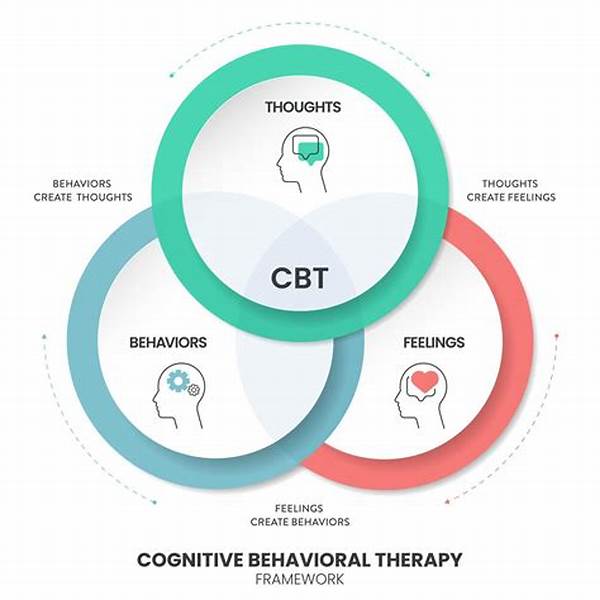
For healthcare providers, cognitive-behavioral strategies resemble a toolkit designed to navigate the emotional upheavals of their demanding roles. These strategies are grounded in the notion that thoughts, feelings, and behaviors are intertwined. By reshaping negative thought patterns, providers can alter their emotional responses and actions. In essence, cognitive-behavioral strategies for healthcare providers serve as a bridge connecting awareness to practice, enabling providers to manage stress and prevent burnout effectively.
Within the walls of a hospital, the atmosphere is often charged with both the despair of illness and the hope of recovery. Here, cognitive-behavioral strategies shine. They encourage providers to engage in positive self-talk, transforming personal doubts into empowering affirmations. For instance, instead of succumbing to the fear of making mistakes, a provider might remind themselves that learning is an ongoing journey, embracing mistakes as stepping stones to greater competence.
Armed with cognitive-behavioral tools, healthcare providers are better equipped to navigate complex interpersonal interactions and high-stakes situations. Through intentional cognitive reframing, providers reinterpret challenges as opportunities, fostering a growth mindset. These strategies nurture emotional intelligence, cultivating resilience that not only enhances patient care but also safeguards the well-being of the providers themselves.
Practical Applications of Cognitive-Behavioral Strategies
1. Challenging Negative Thoughts: Providers learn to identify and question distorted beliefs, replacing them with constructive alternatives using cognitive-behavioral strategies for healthcare providers. This leads to reduced stress and improved decision-making.
2. Enhancing Emotional Regulation: By understanding emotional triggers, providers utilize cognitive-behavioral strategies to manage their responses, maintaining composure in intense situations.
3. Building Effective Communication: Cognitive-behavioral strategies for healthcare providers encourage active listening and empathy, vital for patient interactions. This results in stronger patient-provider relationships.
4. Stress Management Techniques: Strategies like mindfulness and relaxation are incorporated, helping providers to de-stress and recharge amidst their hectic routines.
5. Fostering Resilience: Through consistent application of cognitive-behavioral strategies, providers develop a resilient mindset, enduring challenges with greater perseverance and positivity.
Overcoming Barriers with Cognitive-Behavioral Strategies
In the ever-expanding labyrinth of healthcare challenges, cognitive-behavioral strategies for healthcare providers emerge as allies against mental fatigue. Often confronted with emotional exhaustion, providers face an uphill battle, where compassion meets personal limits. However, embracing these strategies enables providers to transform obstacles into pathways for growth.
The integration of cognitive-behavioral strategies equips providers with tools to dissect complex emotions, dissecting fear and anxiety into manageable components. These strategies also empower them to confront implicit biases and preconceived notions, fostering an environment of empathy and inclusivity. Through reflective practices, healthcare providers can continuously refine their approaches, ensuring holistic growth both as professionals and individuals.
The ripple effects of cognitive-behavioral strategies for healthcare providers extend beyond personal improvement. When embraced collectively, these strategies nurture a culture of psychological safety and mutual support within medical teams, promoting collaboration and shared resilience. Hence, the journey towards emotional balance becomes not just an individual pursuit, but a collective endeavor.
The Ripple Effects of Cognitive-Behavioral Strategies
Integrating cognitive-behavioral strategies into daily routines, healthcare providers uncover profound changes. Enhanced job satisfaction, improved patient interactions, and cultivated resilience are testament to the transformative nature of these strategies.
1. Improved Work-Life Balance: Cognitive-behavioral strategies guide providers in setting healthy boundaries, ensuring personal time without compromising professional responsibilities.
2. Reduced Burnout: By addressing stressors and irrational thoughts, cognitive-behavioral strategies diminish burnout rates.
3. Cultivating Empathy: Providers report deeper connections with patients, fueled by cognitive-behavioral insights that emphasize understanding over judgment.
4. Enhanced Critical Thinking: Through cognitive-behavioral techniques, providers sharpen analytical skills, resulting in more effective problem-solving.
5. Stronger Team Dynamics: Shared cognitive-behavioral practices within teams create shared understanding, reinforcing collaborative patient care.
6. Increased Self-Confidence: By overcoming internal doubts, healthcare providers gain confidence in their clinical abilities.
7. Sustained Motivation: Utilizing cognitive-behavioral strategies, providers redirect negative energy into motivation.
8. Greater Job Satisfaction: Satisfaction is heightened as providers experience personal growth through cognitive-behavioral techniques.
9. Patient-Centric Focus: Using these strategies, providers maintain focus on patient needs, enhancing healthcare delivery.
10. Holistic Personal Development: Ultimately, cognitive-behavioral strategies ensure that providers grow professionally and personally in tandem.
The Evolution of Cognitive-Behavioral Strategies
While cognitive-behavioral strategies have steadily gained traction within the realm of healthcare, their origins trace back to fundamental psychological principles. Designed initially as therapeutic techniques to address individual issues, these strategies have evolved into crucial tools for those in high-stress environments, such as healthcare. For providers constantly bombarded with intense emotional experiences, adopting these strategies represents evolution and refinement.
Healthcare is not merely a field of curing physical ailments, but also a journey toward emotional wellness. Through cognitive-behavioral strategies, healthcare providers embark on a transformative path, reassessing their thought processes and emotional responses. As they challenge autopilot reactions, they gain newfound insight into their actions and thoughts, empowering them to steer their mental ship towards tranquility and purpose.
The narrative of cognitive-behavioral strategies for healthcare providers is one of adaptability, resilience, and growth. As healthcare continues to evolve, so too must the strategies that support its providers. By integrating cognitive-behavioral techniques into their daily lives, healthcare providers foster an environment of continuous self-improvement and holistic patient care, ensuring that they remain steadfast in their mission to heal.
Embracing Change with Cognitive-Behavioral Strategies
Amidst the relentless pace of healthcare, embracing cognitive-behavioral strategies represents a pivotal step towards sustainability for providers. With resilience at the core, these strategies equip providers to navigate evolving challenges, maintaining focus on patient well-being.
Healthcare environments demand adaptation and swift decision-making. Here, cognitive-behavioral strategies become anchors in this stormy sea, enabling providers to manage stress and foster a balanced perspective. By consistently applying these strategies, they build emotional resilience, ensuring that moments of strain become opportunities for growth, rather than sources of burnout.
Strategically incorporating cognitive-behavioral strategies empowers providers to embrace change with open arms. By dismantling rigid patterns of thinking, they cultivate a mindset of flexibility. This adaptability proves invaluable in patient interactions and collaboration with colleagues, ultimately enhancing the quality of care. By embracing cognitive-behavioral strategies, healthcare providers lay the foundation for enduring professional fulfillment and holistic personal development.
Summary
The implementation of cognitive-behavioral strategies for healthcare providers emerges as a transformative approach, enhancing their capacity to manage stress and maintain emotional balance. In an environment where emotional resilience is as vital as clinical competence, these strategies provide a sustainable path to professional and personal growth.
Through cognitive-behavioral strategies, providers learn to dismantle negative thought patterns and replace them with empowering narratives. This not only enhances their own well-being but also translates into improved patient care, fostering stronger provider-patient relationships. As providers navigate the complexities of their roles, these strategies act as guiding beacons, ensuring that they remain anchored amidst the turbulence of healthcare.
Ultimately, cognitive-behavioral strategies for healthcare providers serve as a testament to the power of psychological insight and self-awareness in improving both individual and collective outcomes. By embracing these strategies, providers cultivate resilience, empathy, and adaptability, crucial components of thriving in the demanding landscape of healthcare.