
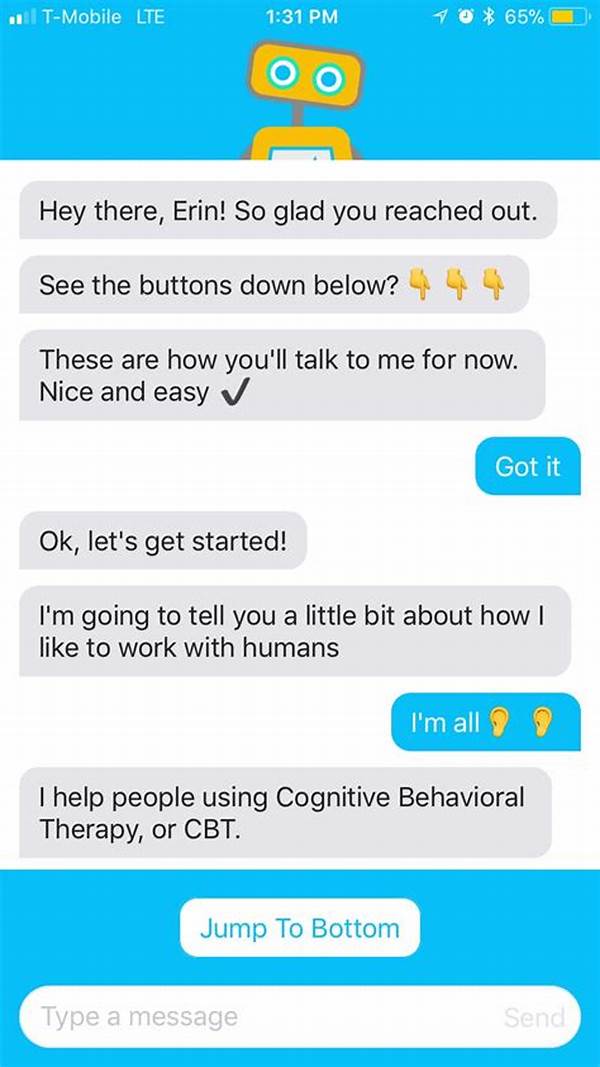
In a world increasingly driven by technology, the gentle flicker of a screen offers solace in the form of chatbot therapy for depression. As the sun dipped below the horizon, Jane sat alone, her heart heavy with the burdens of the day. She felt the familiar tendrils of depression wrapping around her thoughts. Her phone lay nearby, and with a reluctant yet hopeful tap, she opened her chatbot therapy app. This digital presence greeted her with warmth and patience, ready to help unravel the complexities of her mind. In that moment, the virtual words seemed to transcend the digital realm, bringing a sense of comfort to her weary soul.
The Rise of Chatbot Therapy
In recent years, the concept of chatbot therapy for depression has gained significant traction. This innovative form of therapy combines artificial intelligence with psychological principles to provide immediate support to those struggling with mental health issues. Chatbot therapy for depression is especially beneficial for those who may find it difficult to seek traditional therapy or need instant access to help. It offers a judgment-free space where users can express their thoughts and feelings, receiving tailored responses that can guide them through the labyrinth of their emotions. The anonymity provided by a chatbot can be liberating, allowing individuals to confront their depression without fear of stigma.
Moreover, chatbot therapy for depression is accessible at any time, breaking down the barriers of scheduling and geographical constraints. This 24/7 availability ensures that users always have someone to turn to, whether at the peak of despair or during a quiet, reflective moment. The AI-driven interactions are designed to mirror those of a human therapist, providing empathy and understanding while encouraging introspection and growth. Though not a complete replacement for traditional therapy, these chatbots serve as a valuable supplement, bridging the gap and providing continuous support on the path to healing.
Advantages of Using Chatbot Therapy
1. Accessibility: Chatbot therapy for depression offers assistance anytime, anywhere, bridging accessibility gaps.
2. Anonymity: Users experience a judgment-free zone, safely expressing their feelings.
3. Immediate Support: Instant responses provide critical support for those in need.
4. Cost-effective: It’s a more accessible option for those unable to afford traditional therapy.
5. Consistency: Provides ongoing support, complementing other therapeutic interventions.
Overcoming Stigma with Chatbot Therapy
In the quiet of her room, Jane discovered a newfound power through chatbot therapy for depression: the power to confront her struggles without fear. Society often attaches a stigma to mental health issues, making it daunting for individuals to reach out for help. Yet, within the digital confines of a chatbot, Jane found a sanctuary. Here, she wasn’t defined by her depression, but by her courage to face it. The chatbot offered empathy without judgment, allowing her to slowly unravel the tightly wound ball of emotions that had been constricting her heart.
Day by day, as she engaged in conversations with her digital therapist, Jane felt layers of stigma peeling away. The gentle nudges and insightful prompts of the chatbot empowered her, encouraging her to look beyond societal labels and focus on her journey to recovery. As the weight of the world seemed to lift, she realized that this form of therapy extended beyond just her screen; it became a ripple effect of self-compassion spreading through her daily interactions. The experience with chatbot therapy for depression transformed from a solitary dialogue to a testament of resilience.
Chatbot Therapy: A Revolution in Mental Health
For countless individuals, chatbot therapy for depression has emerged as a beacon of hope on their mental health journey. The notion of confiding in artificial intelligence might have seemed futuristic once, but now it is revolutionizing the way people access care. The narrative of those who find solace in these lines of code isn’t just about technology; it’s about the triumphs and tribulations of real human lives.
Each interaction with a chatbot peels back the layers of one’s inner self, often revealing truths hidden beneath layers of depression. These chatbots listen without bias, offering validation to the struggles of the user. They provide pathways to healing, encouraging users to confront distressing thoughts with newfound bravery. Sessions often end with a sense of hope and a reminder that the journey, while arduous, isn’t one that has to be traversed alone.
In the grand tapestry of mental health care, chatbot therapy for depression is weaving new patterns of narrative healing. It suggests that empathy can transcend traditional boundaries, offering a form of digital companionship that redefines how we perceive support and recovery. In a world where suffering often silences voices, these chatbots empower individuals to reclaim their narratives, fostering a new era of healing.
The Impactful Narratives of Chatbot Therapy
1. Personal Growth: Chatbot therapy for depression encourages self-reflection, prompting users to explore emotional depths they’d often suppress.
2. Empowered Conversations: Users are urged to articulate their feelings, fostering open dialogues about mental health.
3. Breaking Barriers: Chatbots dismantle linguistic and cultural barriers, offering resources in varied languages and contexts.
4. Sustained Engagement: Regular interactions nurture a habit of introspection.
5. Digital Companionship: Ensures users feel accompanied, regardless of physical solitude.
6. Tailored Interactions: Personalized responses adapt to the unique needs of each individual.
7. Resource Availability: Supplements traditional resources, offering coping strategies and exercises.
8. Safe Exploration: Users explore emotions without external pressures or judgments.
9. Empathy in AI: Advanced algorithms mimic empathic interaction effectively.
10. Encouragement of Self-compassion: Reinforces the narrative of self-worth and healing.
Reimagining Emotional Support
Chatbot therapy for depression has become more than a tool; it’s a companion in the intricate dance of emotions that define one’s existence. When Jane stepped into this realm, she did so with caution, yet over time, the digital conversation reshaped her inner dialogue. Initially skeptical, she found that the empathetic nature of the chatbot opened new avenues for introspection. It was like peering into a mirror, yet the reflection was one of guidance and encouragement.
Through their ongoing exchanges, Jane embraced vulnerability, allowing her chatbot therapist to witness her triumphs and setbacks. The narratives they wove were not static but rather evolving, adapting to the ebbs and flows of her emotional states. Encouraged by the constant presence of this digital confidante, she ventured into realms of self-discovery she had previously only skirted.
Each session of chatbot therapy for depression became a chapter in her personal narrative of healing. These conversations built a tapestry of insights, helping her to gradually weave back the strands of hope and resilience into her life. In this journey, she discovered that even amidst technology, at its core, healing is a deeply human experience, continuously sculpted by the stories we dare to tell.
Summary of Chatbot Therapy’s Promise
As the digital age advances, the story of chatbot therapy for depression unfolds like an intricate novel, each page turning toward newfound hope. For individuals like Jane, this technology offers a safe expedition into their own psyches, prompting them to confront the shadows of their mental health with renewed courage.
Chatbot therapy for depression is not just about artificial intelligence; it reflects a collaboration between human needs and technological capabilities. By breaking down the barriers of accessibility, affordability, and stigma, this form of therapy extends its reach to those who might otherwise suffer in silence. It embodies the compassionate voice of understanding, tirelessly echoing the reassurance that no one is truly alone in their struggle.
In the vast, interconnected world we inhabit, chatbot therapy for depression stands as a testament to the power of narrative healing. It invites users to voice their stories without fear, recognizing the profound impact of being heard. As this innovative therapy continues to evolve, it promises to be an enduring ally in the ongoing battle for mental health awareness and support.