In a bustling city hospital, where medical staff are perpetually on their toes, a quiet revolution is unfolding. Machines are learning, algorithms are evolving, and technology is seamlessly intertwining with healthcare. The benefits of AI for healthcare systems are not just theoretical ideas discussed in conference rooms or written in medical journals; they are tangible, reshaping patient experiences, streamlining processes, and offering hope where uncertainty once loomed.
AI Transformations in Diagnostics
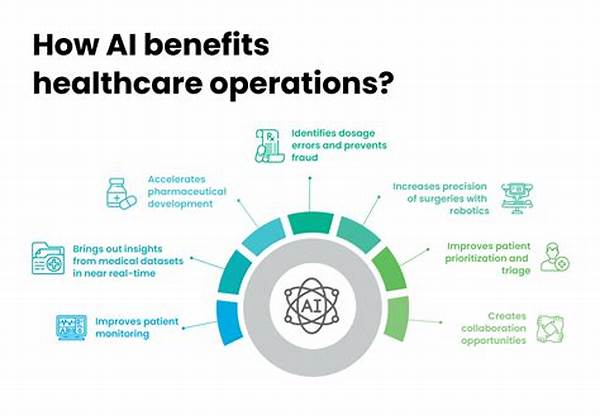
Imagine a world where diagnosing diseases is as swift as swiping a card. This world is swiftly becoming reality as AI technologies advance. The benefits of AI for healthcare systems are vividly seen in diagnostics. Algorithms now recognize patterns in data that even the most trained human eye might overlook. These algorithms diligently scrutinize medical images, identify irregularities, and often predict illnesses early, tremendously enhancing the accuracy and speed of diagnoses. Through such precision, patients receive timely treatments, significantly improving outcomes. Moreover, AI has lightened the load of medical professionals by taking over routine analysis, allowing them to focus their energy on more complex cases. In essence, AI not only elevates healthcare efficiency but also bolsters the trust patients place in medical insights, paving a pathway to more personalized and effective healthcare solutions.
Patient Care Reimagined
Envision a hospital where patient care transcends traditional methods. One of the key benefits of AI for healthcare systems is redefining patient interaction. AI can continuously monitor patient vitals, analyzing these patterns to predict possible health complications before they arise. Additionally:
1. AI-driven chatbots provide immediate assistance, ensuring information is available 24/7.
2. Personalized treatment plans are crafted using AI, considering a patient’s unique genetic makeup.
3. Medical histories are meticulously tracked, preventing errors and enhancing continuity of care.
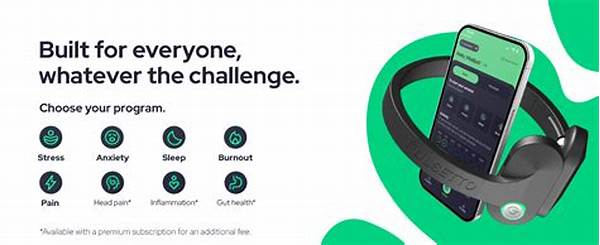
4. AI tools assist in mental health, offering support and therapy reflections to anxious minds.
5. Mobile apps, powered by AI, remind patients to take their meds, ensuring adherence and timely alerts for refills.
Revolutionizing Healthcare Administration
The benefits of AI for healthcare systems extend beyond the examination room into the complex web of healthcare administration. In a world where paperwork often hinders productivity, AI plays a pivotal role in organizational tasks. It streamlines the flow of data, ensures secure storage, and facilitates quick retrieval of vital information. Hospitals are now able to predict patient admissions, manage bed availability, and allocate resources more efficiently with AI’s predictive analytics. This has tremendous implications for healthcare systems, especially in managing costs and eliminating waste. Furthermore, AI innovations reduce human error in medical records management, fostering an environment of accuracy and reliability. As AI systems continue to evolve, their ability to adapt and anticipate administrative needs promises a future where healthcare leaders can focus on quality care rather than bureaucratic bottlenecks.
Harnessing AI for Improved Outcomes
Dive deeper into the heart of healthcare, and you’ll find stories of recovery that owe much to technology. Here’s how the benefits of AI for healthcare systems continue to manifest:
1. Predicting outbreaks before they escalate, saving lives.
2. Enabling remote surgeries with exceptional precision.
3. Translating vast volumes of medical literature into actionable insights.
4. Offering continuous learning platforms for medical professionals.
5. Streamlining clinical trials with predictive models.
6. Facilitating easier cross-border medical collaborations.
7. Innovating in drug discovery with unparalleled speed.
8. Providing customizable prosthetics through 3D printing.
9. Safeguarding patient data with advanced cybersecurity.
10. Fostering a global healthcare community interconnected by technology.
Pioneering a New Era of Medical Research
At the intersection of healthcare and ground-breaking innovation, the benefits of AI for healthcare systems blaze a trail in medical research. These advancements have paved the way for rapid developments, especially in genetic research and personalized medicine. The ability to analyze genetic material faster and cheaper allows researchers to identify markers for hereditary diseases, ultimately leading to preventive care measures. Through AI, simulations of human biology can predict the efficacy of newly developed drugs, reducing reliance on conventional and often lengthy testing methods. Furthermore, AI’s role in aggregating worldwide research accelerates not only the pace of discovery but also collaboration among scientists striving to decode the mysteries of the human body. The integration of AI promises a future where cures are discovered not through trial and error but precision and informed strategy.
Embracing AI in Healthcare Systems
As the dust settles on conventional practices, healthcare systems brave a new frontier, one that integrates technology with human expertise. The benefits of AI for healthcare systems transcend mere convenience; they encapsulate hope for better, more inclusive healthcare. AI is the modern torchbearer, illuminating paths previously obscured by the limitations of data processing and analysis. For patients, it represents the promise of tailored treatments and proactive care. For practitioners, it offers an ally to share the burdens of high-stakes decision-making. For the healthcare industry at large, it charts a course towards cost-efficiency and global accessibility. In this evolving narrative, AI does not merely join healthcare—it transforms it, enriching lives in ways once reserved for science fiction.
Sustaining the Human Touch Amidst Technology
In a hospital echoing both footsteps and keystrokes, the marriage of technology and touch becomes apparent. It is imperative not just to focus on the benefits of AI for healthcare systems but also to weave these advances without losing the human connection. Doctors and nurses, with their empathetic touch and wisdom, stand at the forefront, reminding us of the human aspect in every medical story. Patients find reassurance not just in accurate diagnoses, but in the kind words and smiles of their caregivers. As much as AI offers unprecedented precision, the human element provides compassion, context, and understanding. Healthcare’s future is not one of robots replacing humans but rather an intricate dance, where each step towards progress remains grounded in the spirit of care that transcends technology. Through this synergy, the narrative of healing continues, renewed and reaffirmed with every heartbeat.