In the heartland where the horizon dances with fields of gold, an unexpected whisper weaves its way through the rustling crops — a story of unseen challenges and innovative guardians. These guardians, known as agricultural pollution monitoring systems, are transforming our fields into sentinels poised to protect the planet. As agriculture advances, so do the repercussions on our delicate ecosystems. Here lies the quiet tale of how technology and nature join forces to ensure balance and sustainability.
The Role of Agricultural Pollution Monitoring Systems
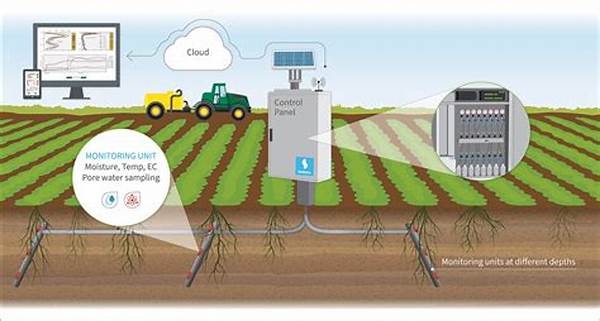
With the rise of industrial agriculture, the intricate balance between food production and environmental health has been tested. Agricultural pollution monitoring systems emerge as the protagonists in this narrative, stepping in to act as our planet’s watchful eyes. As we increase output to feed growing populations, these systems detect and quantify pollutants, helping farmers and policymakers mitigate adverse effects. Through sensors and data analytics, they unveil the footprint left behind by pesticides, fertilizers, and waste materials. In remote fields and bustling farmlands alike, these systems offer vital insights — a narrative thread woven with stories from soil to sky.
Agricultural pollution monitoring systems allow stakeholders to act preemptively. Their data illuminates potential threats to soil, water, and air quality, creating an ongoing dialogue between humans and nature. This relationship echoes throughout rural landscapes and urban boardrooms, where decisions can lead to more sustainable agricultural practices. By embracing these systems, we read the unfolding story of their existence — one that is integral to nurturing both crop yield and ecological balance.
Benefits of Implementing Agricultural Pollution Monitoring Systems
1. Within the fertile expanses of farmland, agricultural pollution monitoring systems unveil the unseen and challenge the status quo. They stand not only as innovative tools but as allies to farmers, supporting the drive toward sustainability.
2. As nightfall embraces sprawling fields, sensors stealthily gather data, speaking silently to satellites that relay crucial information. With each pulse and signal, agricultural pollution monitoring systems sketch a clearer picture of pollution trails.
3. Regulatory compliance is no longer a daunting task but a narrative of collaboration. Agricultural pollution monitoring systems bridge the gap, forging paths between legislation and practical farming approaches through data-driven insights.
4. The integration of these systems ushers in a new age, where precision agriculture is not just a dream but an everyday reality. Comprehensive data empowers decisions, reducing waste and optimizing resources.
5. Community belief in sustainable practices strengthens as agricultural pollution monitoring systems demonstrate palpable benefits. Education and transparency foster trust, crafting a collective narrative of accountability and change.
Challenges Facing Agricultural Pollution Monitoring Systems
While agricultural pollution monitoring systems paint a promising picture, challenges remain vivid. The pursuit of innovation often encounters financial and technical barriers, rendering these systems out of reach for smaller farms. The narrative of smallholders often includes struggle and adaptation in securing access to advanced technologies. Bridging this gap requires investment and supportive policies to democratize the potential ripple effects across all scales of agriculture.
Moreover, the ongoing challenge of data integration into actionable policies requires deft handling. As systems gather granulated data, the ability to interpret and apply it for large-scale regulatory frameworks becomes complex. Yet, therein lies a tale of opportunity, where stakeholders across agricultural spectrums could unite their knowledge, fostering collective wisdom and solutions.
Applications of Agricultural Pollution Monitoring Systems
1. On a dew-laden morning, farmers equip their fields with sensors, beginning a dialogue between earth and tech. Agricultural pollution monitoring systems become the storytellers of crop health and ecological challenges.
2. Data streams seamlessly flow like lifelines from field to cloud, crafting vivid tapestries of agricultural landscapes. These systems narrate tales of soil and water, amplifying our understanding of pollution dynamics.
3. As farmers scrutinize the data, new strategies emerge, entwined with technology’s promise. Agricultural pollution monitoring systems facilitate pioneering practices that weave sustainability into the fabric of agriculture.
4. Sectoral partnerships evolve, bringing ingenuity to the fore. Agricultural pollution monitoring systems serve as collaborative bridges, aligning the goals of environmentalists and agronomists alike for shared visions of prosperity.
5. Each monitoring device is a chapter written in the ongoing saga of agricultural evolution. Agricultural pollution monitoring systems are silent custodians, ensuring future harvests are bountiful yet kind to the earth.
6. The journey reveals a treasure trove of information, paving transformative paths within the agricultural narrative. These systems elevate the conversation about stewardship and ecological impact.
7. Policymakers lean on targeted insights, finding pathways to harmonize growth with sustainability through adaptable frameworks.
8. A patchwork of traditional wisdom and innovative approaches comes to life. Agricultural pollution monitoring systems ensure that these legacies endure, embracing timeless practices enhanced by modern science.
9. Education and training programs parallel the surge of analytical data, empowering communities to embrace technological advances seamlessly.
10. The horizon holds promise as green fields stretch under endless skies. Agricultural pollution monitoring systems chart a course for an equitable future interwoven with stories of nature and technology.
Strategies for Effective Use of Agricultural Pollution Monitoring Systems
The narrative of technological adoption in agriculture is not without its obstacles. Yet, agricultural pollution monitoring systems stand as a testament to innovation-driven efficacy. Advanced strategies are pivotal to unlocking their full potential. To this end, establishing infrastructure and technical acumen is crucial. Through intentional collaboration and shared knowledge, communities can wield these systems as instruments of change.
A central tenet of success involves integrating diverse stakeholder voices into strategic discourse. Cooperative frameworks intertwining farmer intuition with scientific understanding mark the heart of progress. In this tapestry, the stories are about resilience, where solutions are co-created in response to evolving realities. Lastly, robust communication strategies ensure that successes are broadcast, fortifying community engagement and reinforcing a shared narrative of stewardship.
Conclusion: A Future with Agricultural Pollution Monitoring Systems
At the intersection of progress and preservation lies the promise of agricultural pollution monitoring systems—threads linking tradition with innovation, stewardship with productivity. These systems, within the cradle of agriculture, are silent narrators and active participants in shaping a sustainable future. Through their lens, we glimpse a harmonious world where technology enhances, rather than diminishes, nature’s beauty.
In the pages of our shared story, agricultural pollution monitoring systems are characters of evolution, with tales that advance the plot of environmental balance. They are much more than mere tools; they are companions in our quest for sustainable agriculture, promising a lasting legacy where crops and ecosystems thrive symbiotically. The fields stand ready, not just to nourish but to inspire generations to come, tracing stories etched in harmony with the earth.