In the heart of the countryside, where rolling fields meet clear blue skies, communities thrive amidst challenges unique to rural living. Small towns scattered along whispering winds experience distinct healthcare needs. Here, the story of efficient rural health data systems unfolds—a tale of innovation, resilience, and hope aiming to bridge the healthcare gap.
The Importance of Efficient Data Systems in Rural Health
Nestled among stretching plains and rugged mountains, rural healthcare facilities often face hurdles urban centers evade. Limited resources, coupled with vast distances between providers and patients, necessitate a dependable system that ensures no one is left behind. Efficient rural health data systems become the unsung heroes of these communities. They forge networks that not only keep track of medical records but also predict trends, manage emergencies, and ensure timely care. By implementing efficient rural health data systems, these facilities turn formidable challenges into surmountable tasks. These systems empower providers to make informed, rapid decisions, facilitating a continuum of care that is as expansive as the lands they serve. As rural communities embrace technology, the potential for improved health outcomes becomes a tangible reality.
Building Stronger Networks
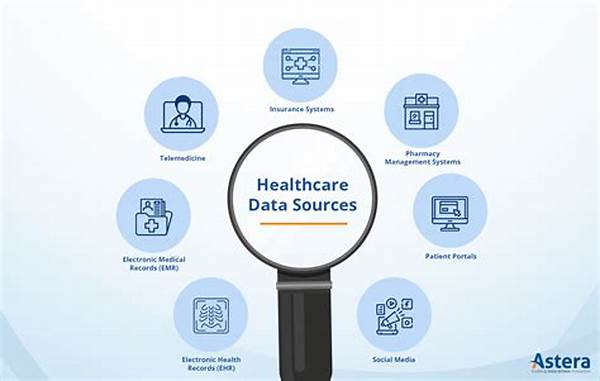
1. In remote areas, efficient rural health data systems link disparate healthcare facilities, creating a comprehensive web of support.
2. These systems allow for real-time data sharing which is crucial during emergencies.
3. With efficient rural health data systems, healthcare workers can access patient histories promptly.
4. Such systems reduce duplication of efforts, saving time and resources.
5. Ultimately, efficient rural health data systems facilitate predictive analytics to foresee and address potential health crises.
Overcoming Challenges with Technology
Beneath the starlit skies of rural landscapes, health workers persist amidst adversity. Here, technology intervenes as the beacon of progress. Efficient rural health data systems symbolize the union of tradition and modernity. Despite geographical constraints, these systems empower health workers to stay connected, share knowledge, and disseminate critical information swiftly. Efficient rural health data systems enable timely interventions, transforming what once seemed enduring into a proactive, comprehensive healthcare approach. They facilitate seamless interactions and foster a sense of unity among healthcare providers, widening the sphere of influence and extending healing hands to those in need, no matter how distant.
Enhancing Patient Engagement
1. Patients gain access to their own health records through efficient rural health data systems, fostering independence and empowerment.
2. These systems facilitate appointment scheduling, reducing waiting times and enhancing satisfaction.
3. By providing insights into personal health trends, they encourage proactive health management.
4. Efficient rural health data systems support telemedicine, bringing healthcare closer to home.
5. Education on health matters becomes more accessible, increasing health literacy.
6. Secure communication channels are established, enhancing patient-provider relationships.
7. Remote monitoring via these systems decreases the need for frequent travel to healthcare facilities.
8. The community’s trust in healthcare is bolstered by the transparency offered.
9. Efficient rural health data systems aid in tracking vaccination rates, ensuring community safety.
10. Local health initiatives are strengthened through reliable data analysis.
Transformational Impact on Rural Communities
In the quietude of rural communities, where the pace of life follows nature’s rhythm, efficient rural health data systems drive a transformation. They not only support the healthcare workforce but also reshape the narrative of rural health. As providers enjoy better access to comprehensive patient data, the scope of care extends beyond immediate needs to encompass preventive strategies. The seamless coordination courtesy of efficient rural health data systems nurtures trust within communities, showing residents that distance should not dictate the quality of care they receive. This shift promises longevity, as efficient rural health data systems lay a foundation for generational wellness, benefitting those born today and those yet to come. By fostering an environment where healthcare thrives despite obstacles, communities find resilience and hope, setting the stage for sustainable health improvements.
Embracing the Future of Rural Healthcare
As the sun sets over rolling hills, painting the sky with shades of amber, so too does the future of rural healthcare take shape. Efficient rural health data systems stand at the forefront of this new era, guiding communities toward a future defined by accessible and equitable healthcare. The collaboration between human compassion and technological advancement paves the way for rural areas to thrive. Patient experiences improve as data-driven insights propel preventive care, reduce inefficiencies, and elevate patient outcomes. This nexus of innovation and community spirit proves that efficient rural health data systems are more than a tool—they are a lifeline.
Reflecting on the Journey Ahead
Efficient rural health data systems invite us on a relentless journey toward improved healthcare. They remind us that every story has two sides—the challenges and the triumphs. For rural areas, these systems bring balance, offering clarity where there once was confusion and light where there was darkness. As communities embrace these innovations, they become protagonists in a story of resilience, backed by the quiet yet powerful force of efficient rural health data systems. The legacy of these systems promises to endure, crafting a future where every heartbeat echoes with health and hope.