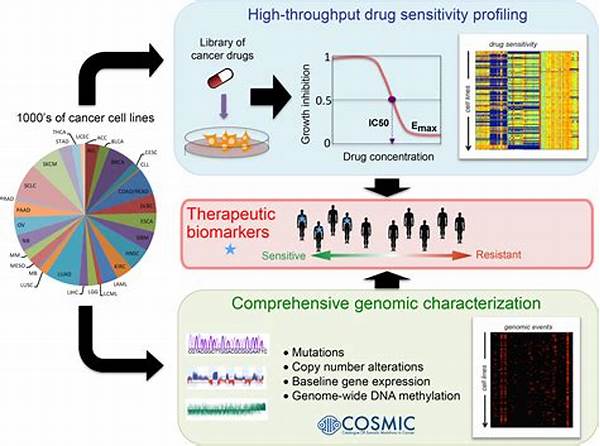
In the labyrinth of personalized medicine, few aspects intrigue more profoundly than the confluence of genetic indicators and therapeutic efficacy. For those delving into the sophisticated world of pharmacogenomics, biomarkers present themselves as the guiding constellations that illuminate the way forward. Through their subtle cues, these biomarkers in pharmacogenomic profiling bring forth the promise of tailored treatments. As we embark on this narrative journey, we will unravel the mystery behind these genetic sentinels, and their transformative role in modern medicine.
The Role of Biomarkers in Pharmacogenomic Profiling
Imagine standing at the crossroads of a bustling city where thousands of paths intersect in a web of connectivity. Here, each pathway represents a specific genetic sequence, and navigating these paths is akin to understanding the complexity of the human genome. Biomarkers in pharmacogenomic profiling serve as the signposts, guiding scientists through this intricate terrain. They hold the key to unlocking the door to individualized therapy, offering hope where once there was only trial and error. By pinpointing precise genetic variations, these biomarkers tell stories about drug metabolism, patient response, and potential side effects. It’s a world where minute genetic differences can mean the disparity between treatment success and failure. As the plot unfolds, the potential of biomarkers in pharmacogenomic profiling echoes across a multitude of therapeutic landscapes, heralding a new dawn in precision medicine.
Understanding the Impact of Biomarkers in Pharmacogenomic Profiling
1. Personalized Medicine Revolution
Biomarkers in pharmacogenomic profiling sit at the heart of the revolution, enabling bespoke treatment regimes and crafting individual stories of healing and recovery, diverging from one-size-fits-all approaches.
2. Enhanced Drug Efficacy
The value of biomarkers in pharmacogenomic profiling lies in their ability to increase drug efficacy, ensuring patients receive medication perfectly aligned with their genetic blueprint.
3. Reduction of Adverse Effects
By flagging potential genetic red flags, biomarkers in pharmacogenomic profiling play a significant role in minimizing adverse drug reactions, turning potential pitfalls into stepping stones for improved therapy.
4. Cost-Effectiveness
Biomarkers in pharmacogenomic profiling not only personalize medicine but also bring forth cost-efficiency, as resources are better allocated to therapies with a higher likelihood of success.
5. Data-Driven Outcomes
The precision of biomarkers in pharmacogenomic profiling ensures data-driven outcomes, fostering a new era where decisions are backed by robust genetic data rather than speculative approaches.
Challenges and Opportunities in Biomarker Identification
As our narrative progresses through the pages of scientific discovery, we encounter obstacles that the realm of biomarkers in pharmacogenomic profiling must overcome. Despite the promise, challenges such as genetic variability, ethical concerns, and the sheer complexity of human biology create a maze that scientists tirelessly endeavor to navigate. Yet, within this maze lies immense opportunity. The identification of new biomarkers has the potential to revolutionize how we perceive and treat diseases. Initiatives to enhance biobanking and collaborative global research are lighting the path forward, ensuring that the potential of biomarkers in pharmacogenomic profiling is not just a subplot, but the main narrative in the quest for personalized medicine. The potential applications are endless, from chronic disease management to the burgeoning field of oncology, where every genetic marker discovered becomes a beacon of hope.
Real-World Applications of Biomarkers in Pharmacogenomic Profiling
In the practical sphere, biomarkers in pharmacogenomic profiling redefine therapeutic landscapes. They aren’t mere scientific abstractions but tangible tools shaping patient experiences. In oncology, these markers illuminate treatment pathways, turning once-lethal diagnoses into manageable conditions. Within cardiology, they intercept potential crises, redirecting treatment strategies with precision. Immunological applications burgeon as well, with biomarkers predicting response rates to novel therapies. In neurology, they uncover genetic underpinnings of diseases, guiding experimental treatments with promising outcomes. Psychiatric settings benefit by mitigating trial-and-error prescriptions, reducing patient suffering. Diabetes management evolves through these biomarkers, unraveling personalized intervention strategies. Pulmonology patients breathe easier knowing their treatment aligns genetically. Rheumatology emerges as a case study in progress, as biomarkers decode complex genetic predispositions to autoimmune disorders. Gastroenterology finds a pathway to tailored nutritional and medicinal strategies. Finally, pediatric care stands on the brink of transformation, ensuring every child’s treatment is as unique as their genetic makeup.
The Future Landscape of Biomarkers in Pharmacogenomic Profiling
As the curtain rises on a new chapter in medical innovation, the horizon is vast and teeming with endless possibilities. Biomarkers in pharmacogenomic profiling chart an exhilarating course toward the future, a world where the right treatment, for the right person, at the right time, becomes the norm. In this visionary landscape, researchers explore uncharted territories, driven by the resolute belief that each biomarker discovered is another step toward a healthier, more personalized tomorrow. Policies and research frameworks evolve to embrace these advancements, fostering a nurturing environment for innovation. Our genetic stories intertwine with technology, creating narratives wherein humanity’s health outcomes profoundly improve. The narrative is one of hope and resilience, a story of modern medicine where our individual genetic composers orchestrate symphonies of healing.
Ethical Considerations of Biomarkers in Pharmacogenomic Profiling
Navigating the ethical terrain of biomarkers in pharmacogenomic profiling requires a delicate balance between innovation and responsibility. These powerful tools raise questions about privacy, genetic discrimination, and informed consent. It’s a narrative that demands both introspection and foresight: how do we use genetic information responsibly? The journey involves stringent safeguards, ensuring personal genetic data remain confidential and secure. Ethical committees worldwide grapple with these paradigms, striving to set standards that protect individuals while advancing medical frontiers. As these discussions continue, the narrative of biomarkers in pharmacogenomic profiling evolves, becoming one of empowerment and respect. We envisage a future where ethical guidelines not only protect but enhance the utility of genetic discoveries, ensuring that technology serves humanity’s best interests.
Summary of Biomarkers in Pharmacogenomic Profiling
In the unfolding drama of medicine, biomarkers in pharmacogenomic profiling emerge as pivotal characters in a saga of transformation. Their role is profound, guiding treatments away from generic, one-size-fits-all models to a realm where individual genetic blueprints sculpt personalized interventions. This narrative exemplifies the fusion of biology and technology, as researchers tackle scientific frontiers to uncover genetic secrets. Through these genetic signposts, precision in therapy translates into improved patient outcomes, reduced healthcare costs, and minimization of adverse effects.
The journey, although fraught with challenges, sets the stage for unprecedented advancements in medical science. The story of biomarkers in pharmacogenomic profiling extends beyond the lab, influencing policies, ethics, and patient care standards. As researchers chart this new course, the narrative deepens, touching on themes of empowerment, innovation, and ethical responsibility. Here lies a hopeful future where the mysteries of the human genome are unraveled, transforming healthcare from a reactive to a proactive paradigm, rooted in genetic wisdom and personalized care.